Let’s be honest—at some point in the last few years, you’ve probably seen someone on Instagram standing in their pristine bathroom, dramatically brushing their legs with what looks like a wooden back scratcher, claiming it’s changed their life. Maybe you’ve wondered if you’re missing out on some secret wellness ritual that everyone else has figured out. Or maybe you’ve rolled your eyes and kept scrolling.
Here’s where I land on dry brushing: it’s not total BS, but it’s also not the miracle cure the wellness industrial complex wants you to believe it is. Like most things in the beauty and self-care world, the truth lives somewhere in the middle—less dramatic than the claims, but potentially worth incorporating into your routine if you understand what it actually does.
So let’s talk about what dry brushing really is, what it can actually do for your skin, and which claims are pure marketing fantasy.
**Heads up! This post contains Amazon affiliate links, which means that as As an Amazon Associate, I earn from qualifying purchases. We only recommend products we genuinely love and believe will add value to our readers. No additional cost to you**
What Even Is Dry Brushing?
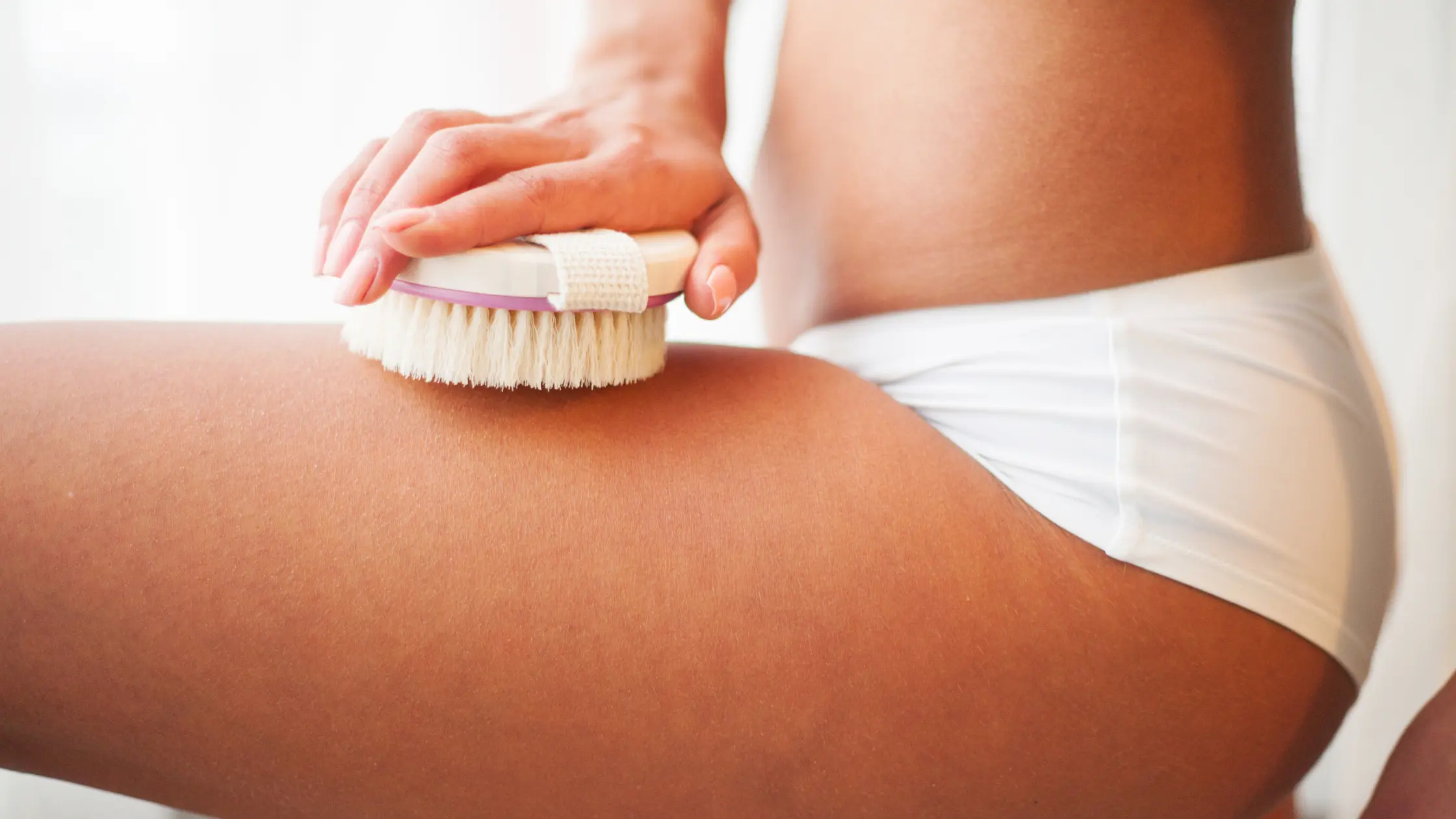
Dry brushing is exactly what it sounds like—using a firm, natural-bristle brush on your dry skin (hence the name) in long, sweeping motions, typically before you shower. You’re supposed to brush toward your heart, starting from your feet and working your way up, using light pressure on sensitive areas and firmer pressure on thicker-skinned zones like your legs and arms.
The practice itself isn’t new. It’s been around in various forms across different cultures for centuries—Ayurvedic medicine has included similar practices, and the ancient Greeks were apparently into it too. But like many traditional wellness practices, it’s been repackaged, Instagram-ified, and sold back to us with increasingly wild promises about what it can do.
The basic concept is simple enough: you’re manually exfoliating your skin and stimulating circulation. That part is real. Where things get murky is in all the other claims attached to it.
The Benefits That Are Actually Real
Let’s start with what dry brushing can legitimately do for you, backed by actual dermatological understanding rather than influencer testimonials.
Exfoliation (The Obvious One)
This is the most straightforward benefit and the one that’s actually, genuinely happening. Dry brushing physically removes dead skin cells from the surface of your skin. That’s it. That’s the mechanism. And you know what? That can make your skin feel smoother and look brighter temporarily.
If you’ve ever used a body scrub or a loofah, you already understand this concept. Dry brushing is just another method of mechanical exfoliation. For people with naturally dry or flaky skin, this can feel pretty great. It can help your body lotion or moisturizer absorb better because you’re not trying to penetrate through a layer of dead skin cells.
But here’s the thing: you can achieve the same result with a washcloth, a regular body scrub, or literally any other exfoliating method. Dry brushing isn’t magic—it’s just friction.
Temporary Circulation Boost
When you brush your skin with firm bristles, you’re stimulating blood flow to the surface. That rosy glow you might notice afterward? That’s increased circulation, and it’s real. Your skin might look more radiant for a little while after brushing.
The key word here is temporary. This isn’t permanently improving your circulation or doing anything long-term for your cardiovascular health. It’s just bringing blood to the surface of your skin temporarily, similar to what happens when you get a massage or exercise. It can feel invigorating and might give you a temporary glow, but once your circulation returns to normal, so does your skin.
It Feels Kind of Amazing
Okay, this one is subjective, but it’s worth mentioning. For a lot of people, dry brushing just feels good. There’s something almost meditative about the ritual of it—the firm pressure, the methodical movements, the few minutes of focused self-care before you start your day.
If it makes you feel more awake, more energized, or just gives you a moment of mindfulness in your morning routine, that’s a legitimate benefit. Not everything has to have a measurable physiological effect to be worth doing. Sometimes “it makes me feel good” is reason enough.
Potentially Helpful for Ingrown Hairs
This one is more anecdotal, but it makes logical sense. If you’re physically exfoliating the skin, you’re potentially helping to prevent ingrown hairs by removing the dead skin cells that can trap hairs beneath the surface. This is especially relevant if you shave or wax regularly.
That said, there are other (and arguably better) methods for preventing ingrown hairs, like chemical exfoliation with AHAs or BHAs. But if you’re already dry brushing and notice fewer ingrown hairs, that’s probably why.
The Myths We Need to Bust
Now for the fun part—all the claims about dry brushing that range from “technically impossible” to “completely made up.” Let’s go through the big ones.
Myth: Dry Brushing Detoxifies Your Body
This is probably the most common claim, and it’s pure nonsense. The idea is that dry brushing stimulates your lymphatic system, which helps your body “flush out toxins.” Sounds sciencey, right? Except it’s not how any of this actually works.
First, let’s talk about your lymphatic system. Yes, it exists. Yes, it plays a role in your immune function and helps remove waste from your tissues. But here’s what it doesn’t need: help from a brush. Your lymphatic system is constantly working without any intervention from you. It has its own internal mechanisms, and gently brushing your skin isn’t going to significantly impact its function.
More importantly, the whole concept of “detoxing” through your skin is fundamentally flawed. Your liver and kidneys handle detoxification. That’s literally their job. Unless you have kidney or liver failure, your body is already handling waste removal just fine, thank you very much. You cannot brush toxins out through your skin. That’s not a thing.
If someone is selling you a product or practice claiming it will “detox” you, they’re either misinformed or being deliberately misleading. Your body doesn’t accumulate toxins that need to be manually released through special rituals.
Myth: It Reduces Cellulite
Oh, this one. This is the claim that probably sells the most dry brushes, and it’s also completely unfounded. The promise is that dry brushing breaks up fat deposits under the skin, smoothing out the dimpled appearance of cellulite.
Here’s the reality: cellulite is caused by the structure of fat cells and connective tissue under your skin, plus how your skin itself is structured. It’s genetic, it’s hormonal, and it’s extremely common—up to 90% of women have some degree of cellulite. Brushing the surface of your skin does absolutely nothing to change the underlying structure of fat cells or connective tissue.
Can dry brushing temporarily make cellulite look less noticeable? Maybe, for like an hour, because you’re creating temporary inflammation and increased blood flow that slightly plumps the skin. But that’s not reducing cellulite—that’s just temporary swelling making the dimples less visible. By the time you’re having your morning coffee, everything is back to baseline.
If dry brushing actually reduced cellulite, we’d have peer-reviewed studies showing it, and dermatologists would be prescribing it. They’re not, because it doesn’t work.
Myth: It Tightens and Tones Your Skin
Nope. Skin firmness comes from collagen and elastin in the deeper layers of your skin, not from surface brushing. Dry brushing doesn’t stimulate collagen production, doesn’t tighten loose skin, and doesn’t tone anything.
Again, you might see temporary plumping from increased blood flow and mild inflammation, but that’s not the same as actually tightening your skin. If you have loose skin from weight loss, aging, or pregnancy, no amount of brushing is going to tighten it up. Only procedures that actually affect the deeper layers of skin (like laser treatments, RF microneedling, or surgery) can do that.
Myth: It Boosts Your Immune System
This claim usually ties back to the lymphatic system myth. The logic goes: dry brushing stimulates lymphatic drainage, your lymphatic system is part of your immune system, therefore dry brushing boosts immunity.
Except, as we’ve established, dry brushing doesn’t significantly impact your lymphatic system. And even if it did, that’s not how immune function works. Your immune system is incredibly complex and involves your white blood cells, antibodies, and various organs and tissues working together. Surface brushing doesn’t strengthen any of that.
Want to actually support your immune system? Get enough sleep, eat a balanced diet, manage stress, exercise regularly, and stay up to date on vaccinations. Those things have actual evidence behind them.
Myth: It Increases Energy and Reduces Stress
Okay, this one is tricky because it’s not entirely false, but the mechanism isn’t what people think. Dry brushing doesn’t directly increase your energy levels or reduce your stress hormones. It’s not doing anything physiologically that would create those effects.
However, if you find the ritual of dry brushing energizing or relaxing, that’s a real psychological benefit. Morning rituals can be genuinely helpful for setting your intention for the day. Taking a few minutes for self-care can reduce stress. The act of doing something that feels like you’re taking care of yourself has value.
But let’s be clear: that’s about the ritual and the mindfulness, not about the specific act of brushing your skin. You could get the same benefit from a morning stretch routine, a few minutes of meditation, or literally any other self-care practice that resonates with you.
The Potential Downsides Nobody Talks About
Because of course there are downsides. There always are.
You Can Damage Your Skin
This is the big one. If you brush too hard, too often, or on skin that’s already irritated, you can actually damage your skin barrier. We’re talking micro-tears, irritation, inflammation, and increased sensitivity. Your skin barrier is incredibly important—it keeps moisture in and irritants out. Compromising it in the name of wellness is counterproductive.
People with sensitive skin, eczema, psoriasis, rosacea, or any other inflammatory skin condition should probably skip dry brushing altogether. It’s going to make things worse, not better.
Even if you have resilient skin, overdoing it can cause problems. That “glowing” look you’re after? If it’s accompanied by persistent redness, stinging, or increased sensitivity, you’ve damaged your skin barrier.
It’s Not Hygienic Unless You’re Careful
Think about what you’re doing here: you’re taking a brush, running it all over your body to collect dead skin cells, and then… what? Leaving it in your humid bathroom where bacteria love to grow?
If you’re going to dry brush, you need to clean your brush regularly (like, weekly) and let it dry completely between uses. Otherwise, you’re just spreading bacteria around your body, which is the opposite of helpful. This is especially important if you’re brushing over any areas with broken skin or acne.
It’s Time-Consuming
In our world of 47-step skincare routines and elaborate wellness rituals, adding another task to your morning can feel like a lot. Dry brushing done properly takes 5-10 minutes. If you’re genuinely enjoying it and finding value in it, great. But if it’s becoming another obligation that stresses you out, that defeats the entire purpose.
Should You Actually Try Dry Brushing?
Here’s my take: if you’re curious and you have normal, non-sensitive skin, trying dry brushing isn’t going to hurt you (assuming you’re gentle and reasonable about it). If you enjoy the ritual, if it makes your skin feel smoother, if those few minutes of mindfulness improve your morning—those are all legitimate reasons to do it.
But don’t do it because you think it’s going to detox you, eliminate your cellulite, or dramatically transform your skin. Those expectations will only lead to disappointment.
If you have sensitive skin, inflammatory skin conditions, or you’re prone to irritation, skip it. The potential for damaging your skin barrier isn’t worth the minimal benefits.
And if you’re already happy with your current body care routine? You’re not missing out on anything essential. Dry brushing is optional, not necessary.
How to Dry Brush If You’re Going to Do It
If you’ve decided to give it a try, here’s how to do it without wrecking your skin:
Get the right brush. Look for natural bristles (not synthetic, which can be too harsh) on a long handle so you can reach your back. The bristles should be firm but not painfully stiff.
Start gentle. Use light pressure at first and see how your skin responds. You can always increase pressure slightly, but you can’t undo damage from being too aggressive.
Always brush toward your heart. Start at your feet and work upward. Use long, smooth strokes rather than scrubbing back and forth. The traditional method is to brush each area several times, but honestly, once over is probably fine.
Do it before you shower. You want your skin completely dry, and showering afterward lets you wash off all the dead skin cells you’ve loosened.
Moisturize after. Since you’ve just exfoliated, your skin will absorb moisturizer better. Take advantage of that.
Skip sensitive areas. Don’t brush your face (facial skin is way too delicate), and be very gentle on areas like your chest and stomach. Definitely avoid any areas with broken skin, rashes, or irritation.
Clean your brush regularly. Wash it with mild soap and warm water, rinse thoroughly, and let it dry completely in a well-ventilated area.
Don’t overdo it. A few times a week is plenty. Daily is probably overkill and increases your risk of irritation.
The Bottom Line
Dry brushing is fine. It’s not miraculous, and it’s not necessary, but it’s also not harmful if done correctly. It’s a form of physical exfoliation that can make your skin feel smoother and might give you a temporary glow. If you enjoy the ritual and the sensation, go for it.
But let’s stop pretending it’s some transformative wellness practice that’s going to revolutionize your health. It’s not detoxing you. It’s not curing cellulite. It’s not tightening your skin or boosting your immune system. It’s a brush. On your skin. That’s it.
The wellness industry thrives on taking simple practices and attaching grandiose claims to them so they can charge you $45 for a wooden brush. Don’t fall for it. If you want to try dry brushing, buy an inexpensive brush and see how you feel about it. But don’t feel pressured to add another step to your routine because someone on the internet said you should.
Your skin is probably fine without it. Your lymphatic system is definitely fine without it. And your morning routine doesn’t need another task unless it genuinely adds value to your life.
So by all means, try dry brushing if you’re curious. Just keep your expectations realistic and your pressure gentle. And if you try it and decide it’s not for you? That’s completely fine too. There’s no such thing as a one-size-fits-all wellness practice, despite what the internet wants you to believe.